Round Lake Beach Top Landscaper for Custom Landscape Design
Round Lake Beach Top Landscaper for Custom Landscape Design
Blog Article
Expert Landscaping Specialist for a Stunningly Designed Outdoor Space
A professional landscape contractor assumes an important role in transforming outdoor spaces into visually appealing retreats. Their expertise lies in evaluating site hurdles and determining suitable plant species. By blending colors and textures, they create functional configurations. Additionally, they implement sustainable practices that advantage the environment. The potential impact of these transformations on property value sparks important questions about the benefits of allocating funds to professional landscaping. What specific advantages can one expect from such an investment?
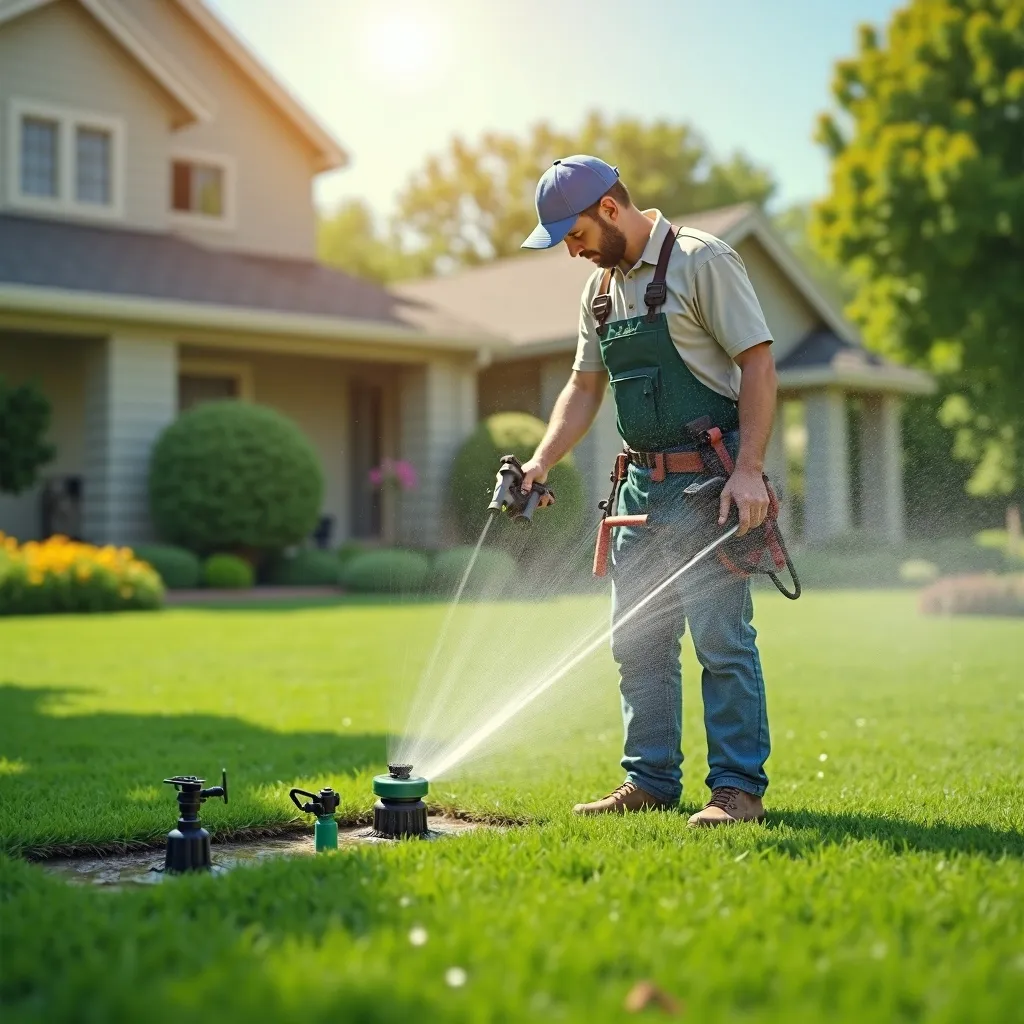
Addressing Frequent Landscaping Hurdles With Professional Services
While many homeowners desire to design stunning outdoor spaces, they often encounter multiple garden obstacles that can be daunting to handle by themselves. Issues such as inadequate soil conditions, insufficient water management, and the choice of suitable plants can obstruct even the most devoted plant lover. Expert landscape designers have the expertise to evaluate these difficulties effectively. They can suggest soil amendments, implement adequate water drainage systems, and select vegetation that thrive in particular environments.
Additionally, landscaping work encompasses design elements that demand a keen appreciation for visual appeal and function. Experts can develop unified layouts, guaranteeing that hardscapes and softscapes work well with each other. Through using their experience, homeowners can sidestep common mistakes and expensive problems. Within this partnership, specialists not only enhance the visual charm of outdoor spaces but also maintain lasting environmental stewardship. Therefore, seeking professional assistance can turn challenging landscaping projects into manageable tasks, delivering beautiful outcomes.
The Effect of Professional Landscaping on Landscape Planning
Expert garden design significantly enhances the visual appeal of landscape projects, converting standard areas into visually captivating settings. By implementing strategic layouts and plant selections, experts also enhance functionality, guaranteeing that outdoor areas provide both aesthetics and utility. This dual impact generates spaces that are not only attractive but also functional for everyday use.
Aesthetic Appeal Enhancement
A expertly planned landscape can significantly improve the visual attractiveness of any outdoor area, changing a simple garden into an magical retreat. Skilled landscapers hold the proficiency to harmonize hues, materials, and shapes, ensuring every component complements one another. By adding diverse plant species, planned feature placement, and mindful use of materials, they form visually striking settings. The presence of focal points, like sculptures or water features, guides the gaze and adds character, while paths and borders define flow and structure. Moreover, seasonal variety is thoughtfully considered, allowing gardens to change throughout each season. In the end, the artistic vision and talent of professional landscapers produce spaces that inspire admiration and tranquility, enriching the overall outdoor living experience.
Functional Space Optimization
Effective landscape design goes beyond visual aesthetics; it also plays a pivotal role in optimizing functionality within outdoor spaces. Professional landscapers assess the individual characteristics of a site, considering factors such as sunlight, soil type, and existing structures to create designs that enhance usability. They implement features like pathways, seating areas, and raised beds, ensuring that outdoor spaces serve multiple purposes. By integrating elements such as irrigation systems and native plant selections, they promote sustainability while minimizing maintenance efforts. Moreover, a well-planned layout can improve traffic flow, making spaces more navigable and enjoyable. Ultimately, professional landscaping transforms gardens into functional environments that meet the diverse needs of homeowners, blending beauty with practicality for a harmonious outdoor experience.
Selecting the Ideal Plants: Professional Guidance for Choosing and Placement
When determining flora for an outdoor space, understanding the exact requirements and aesthetic goals is necessary for achieving a harmonious landscape. Factors such as solar exposure, soil type, and climate are fundamental to choosing plants. For reference, shade-tolerant plants excel under tree shade, while sun-loving varieties need open spaces.
In addition, examining the desired visual appeal is key. Color selections, patterns, and seasonal adaptations should align with the overall design vision. To build depth, professionals often recommend layering plants by height and composition, ensuring taller plants are placed in back and shorter plants are placed in front.
In addition, introducing regional plants can strengthen biodiversity and minimize maintenance requirements. Subsequently, it is prudent to group plants with similar moisture and feeding needs to create a more green garden. By applying these knowledgeable recommendations, one can curate a splendidly balanced garden setting that demonstrates individual style and environmental compatibility.
Functional Hardscapes: Pathways and Outdoor Living Spaces
Pathways and patios function as crucial components in outdoor design, enhancing both practicality and aesthetic appeal. A variety of materials and design options allow for customization, catering to individual preferences and landscape needs. Comprehending the benefits of hardscapes can markedly elevate the usability and charm of any outdoor space.
Advantages Of Pathways
A thoughtfully crafted walkway enhances both the aesthetics and practicality of exterior areas. Walkways serve as essential connectors, directing visitors through gardens, patios, and yards while creating a clear flow. They improve ease of access, allowing easy navigation and reducing wear on grass sections. Furthermore, pathways can define spaces, establishing specific areas for relaxation or gatherings. Various materials, such as stone, brick, or gravel, offer multiple styling choices, enabling homeowners to match pathways with their overall outdoor design. Additionally, pathways can enhance safety by providing firm footing and reducing mud or skidding hazards. Overall, the addition of pathways contributes greatly to the aesthetic value and functionality of outdoor environments, making them an essential element in outdoor landscaping.
Patio Design Choices
During the process of planning an outdoor space, patio options play an vital role in improving both effectiveness and style. Various design choices exist, allowing homeowners to develop bespoke outdoor retreats. For example, a simple rectangular layout provides a classic look, while circular or curved designs can introduce a softer aesthetic. Multi-level patios can create visual interest, seamlessly merging with the surrounding landscape. Incorporating built-in seating or fire pits boosts usability, making patios great for events or relaxation. Furthermore, integrating greenery, such as planters or trellises, can soften hard edges and add energy. Ultimately, thoughtful patio design can transform any outdoor area into a versatile space that complements the home’s architecture and boosts the overall ambiance.
Materials For Hardscapes
Picking the right selections for hardscapes is essential for creating functional and visually appealing outdoor spaces. Pathways and patios draw from a variety of durable options, such as concrete, pavers, and natural stone. Concrete offers versatility and can be customized with various finishes. Pavers, available in diverse shapes and colors, provide easy installation and repair. Natural stone, while often more expensive, adds an organic aesthetic that enhances the landscape's beauty. Additionally, gravel and decomposed granite serve as excellent alternatives for informal pathways, allowing for effective drainage. Selecting the appropriate material not only guarantees longevity and functionality but also harmonizes with the overall design, contributing to a cohesive outdoor environment.
Sustainable Garden Methods for a More Eco-Friendly Home
Environmentally conscious landscaping approaches deliver many benefits for homeowners trying to build a more sustainable environment. By planting native plants, homeowners can reduce water consumption and eliminate the requirement for chemical pesticides and fertilizers, fostering local biodiversity. Rain gardens and permeable pavements are proven approaches for controlling stormwater, serving to prevent erosion and support groundwater recharge.
Moreover, using organic mulches can enhance soil health while preventing weed growth. Homeowners should also consider xeriscaping, which means designing gardens that necessitate minimal irrigation, thereby conserving water resources.
Breaking down natural waste supports soil enrichment and cuts down landfill burden. Moreover, picking energy-efficient outdoor lighting can lower electricity consumption.
How Can Expert Landscaping Increase Value to Your Home?
Professional landscaping can considerably increase a property's value, often elevating it by up to 15%. A expertly designed outdoor space not only improves curb appeal but also creates a review article welcoming environment for potential buyers. Key elements such as manicured lawns, strategically placed trees, and bright flower gardens support an inviting aesthetic that captivates buyers.
Moreover, skilled landscape professionals can add functional features like outdoor living areas, pathways, and fountains or ponds, which boost usability and enjoyment. These upgrades can generate higher offers and speedier closings in a competitive market.
Moreover, investing in nature-based landscape approaches can draw in sustainability-focused interested parties, progressively heightening a property's marketability. Quality landscaping harmonizes with the residence's structure while making use of native plant species, which involves less water demands and upkeep. In essence, expert landscape services operates as a transformative solution for real estate owners looking to amplify their home's capacity and monetary worth.
Commonly Requested Queries
What Length of Time Does a Usual Landscaping Project Require to Finish?
A routine landscaping project can range anywhere from a few days to several weeks, subject to the project's size, intricacy, and the particular conditions involved. Climatic conditions and material availability may also change the timeline.
What Costs Come With Hiring a Professional Landscaper?
Pricing associated with employing a professional landscaper can vary widely, generally spanning from $50 to $150 per hour. Additional costs may incorporate materials, permits, and design charges, possibly amounting to thousands based on project size and intricacy.
Do Landscapers Extend Servicing Services After Installation?
Yes, many landscapers provide maintenance services following installation. These services can include regular lawn care, trimming, and periodic cleanings, ensuring the landscape remains attractive and well-maintained over time, tailored to the client's needs.
How Should I Arrange My Yard for a Yard Landscaping Initiative?
To prepare a yard for a landscaping task, one should remove debris, determine soil conditions, identify desired areas, and factor in water management. Additionally, planning the configuration and selecting plants suitable for the environment is essential.
What Critical Details Should I Focus on in a Landscaping Contract?
When assessing a landscaping contract, you should search for thorough project details, timelines, payment schedules, warranties, and cancellation terms. Transparent communication regarding supplies and labor requirements is also vital to confirm shared awareness and anticipated outcomes.
Report this page